







Search Results for: Purple Caturra
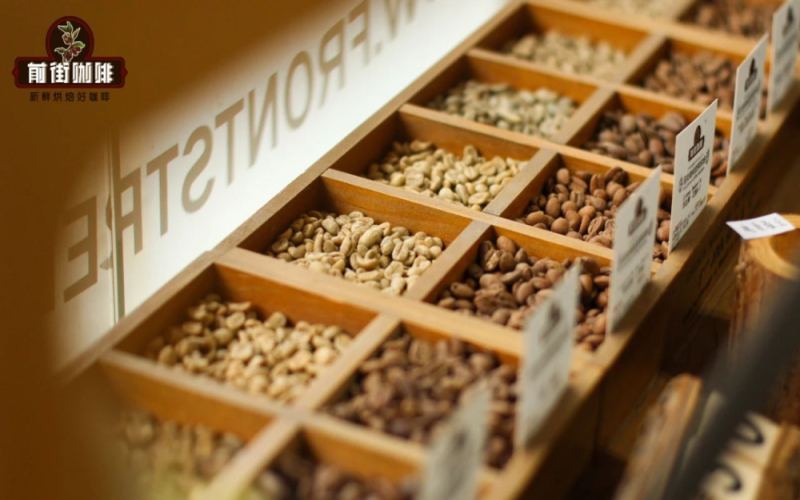
Caturra Coffee Variety Full Analysis: From Bourbon Mutation to Central American Mainstay, Flavor Characteristics and Representative Beans
Caturra is a highly economically valuable natural mutation within the Bourbon lineage. With advantages such as a small plant size, suitability for dense planting, and no need for shade, it has become an important pillar of coffee-growing regions in Central America. In this article, from the perspective of Front Street Coffee, we will sort out the historical origins and variety characteristics of Caturra, and use its Colombian passion fruit enzyme washed Purple Caturra as an example to introduce the Huila region, the processing methods and brewing suggestions of Finca Monteblanco, helping coffee lovers gain a comprehensive understanding of the unique charm of this variety. [more…]
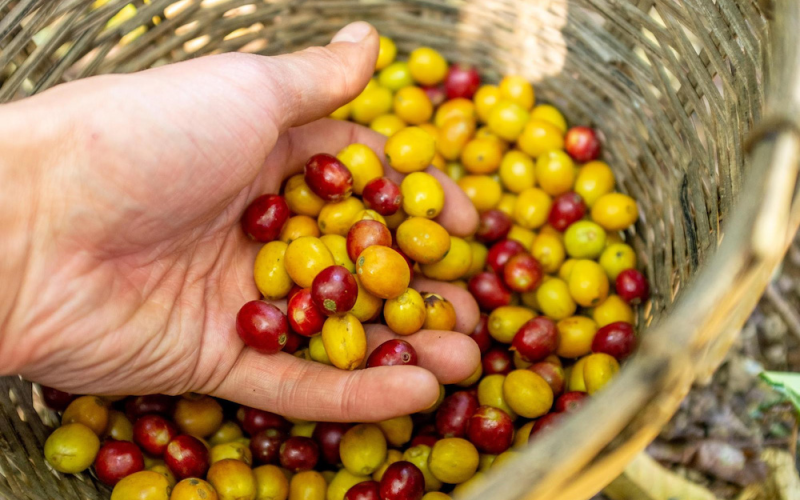
Bourbon Natural Mutation Caturra: From Variety Characteristics to Brewing Analysis of a Colombian Huila Washed Everyday Bean
Caturra is a natural mutation of Bourbon discovered in Brazil. With its high yield and strong disease resistance, it has become a common choice for large-scale cultivation. The plant is short with compact branching, and it maintains vigorous growth even under direct sunlight, which is why it is called "sun-grown coffee." In addition to Red Caturra and Yellow Caturra, there is also the rare Purple Caturra, which arose from a natural mutation of Red Caturra. In terms of flavor, Caturra typically exhibits bright acidity and medium body, often with lemon or citrus notes in the cup, while its sweetness is greatly influenced by fertilization management. Colombia is an important stage for Caturra, and Front Street Coffee's bean list also includes several Caturra coffees. This article covers the variety's background, the Colombian washed processing procedure, and the brewing parameters and flavor performance of a Huila everyday-drinking bean. [more…]
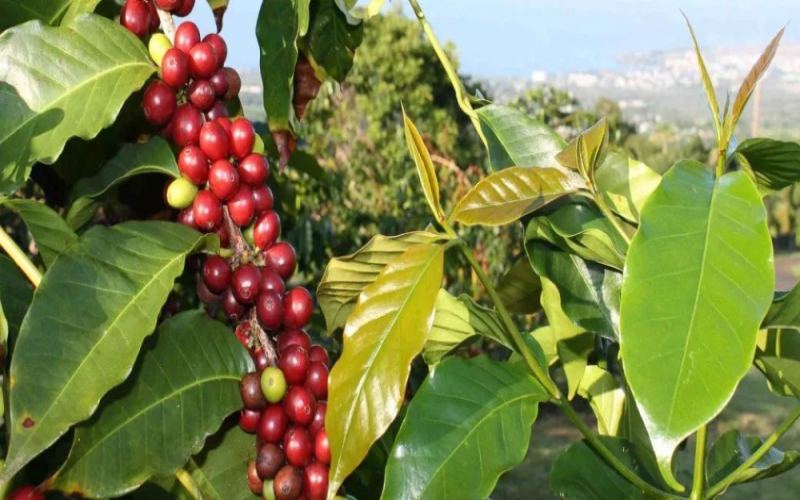
Caturra Coffee Bean Roasting Key Points, Brewing Parameters, and Price Reference: From Variety Characteristics to Front Street Coffee Huila Daily Bean Practice
Caturra is a highly representative derivative variety within the Bourbon family, widely cultivated in Central and South America thanks to its high yield and impressive flavor performance. This article begins with Caturra's discovery history, botanical characteristics, growing adaptability, and disease weaknesses, then sorts out the differences among the red, yellow, and purple-fruited Caturra varieties, and provides specific brewing recipes for medium-dark roasted Caturra. The article also draws on Front Street Coffee's Colombian Huila everyday drinking beans to explain the flavor direction of washed red Caturra, the approach to cupping control, and complete parameters including dripper, water temperature, coffee dose, coffee-to-water ratio, grind size, and three-stage extraction technique, for coffee enthusiasts' reference. [more…]
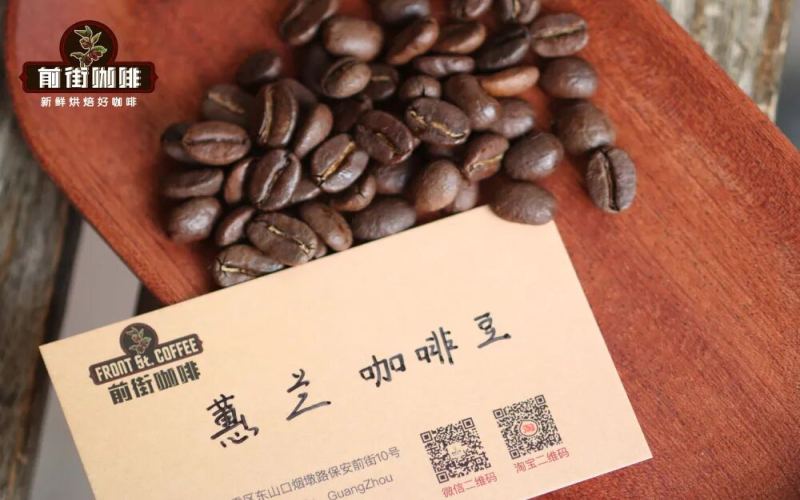
Coffee Varieties | Why is Caturra called "sun-exposed coffee"? What flavors does Caturra coffee present after brewing? What are the pros and cons of Caturra coffee?
Caturra is one of the varieties under the Arabica branch and a descendant derived from the ancient Bourbon variety. Because of its high yield and good flavor performance, it is currently widely cultivated in Central and South America. In the lengthy list of beans at Front Street Coffee, varieties such as Front Street Guatemala La Flor, Front Street Honduras Lychee Orchid, and Front Street Colombia Rose [more…]
Is Caturra a member of the Arabica family? A full breakdown of its origin, flavor characteristics, and brewing key points
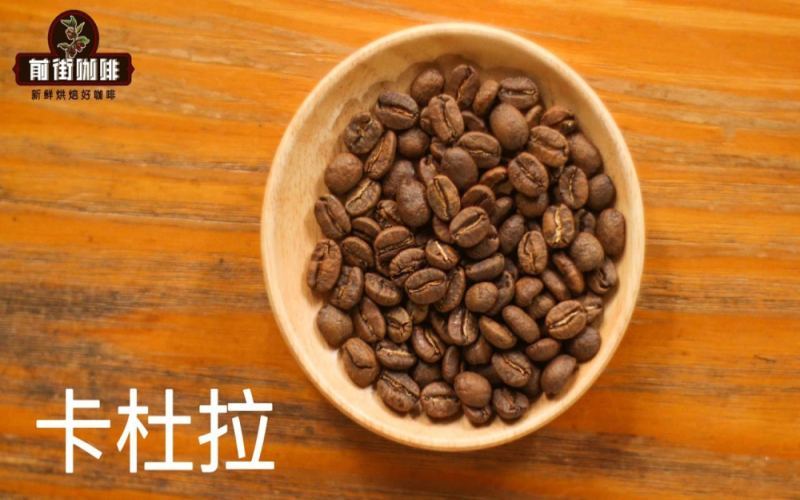
As a descendant of a Bourbon genetic mutation, Caturra has long become one of the main varieties in coffee-producing regions of Central and South America. Is it actually an Arabica? What makes its flavor profile unique? This article will examine Caturra from the perspectives of its discovery history, botanical characteristics, cultivation adaptability, disease-resistance weaknesses, and fruit color classification, while also drawing on the brewing practice of Front Street Coffee's Colombia Huila everyday beans to share extraction ideas and flavor presentation for medium-dark roasted Caturra in a KONO dripper, helping coffee enthusiasts gain a comprehensive understanding of this variety. [more…]
Colombia Monteverde Estate: The Flavor Code and Variety Origins of Wush Wush Enzyme Aerobic Fermentation Natural
In southern Tolima, Colombia, at an altitude of 1,800 to 2,100 meters, Finca Monteverde has successfully cultivated delicate varieties such as Geisha, WushWush, SL-28, and Borbon Sidra, thanks to its exceptional sunlight, rainfall, and water source near the Rio Blanco. Among them, WushWush originated in the Kaffa forest of Ethiopia and has flourished since being introduced to Colombia thirty years ago. In this article, Front Street Coffee will take you deeper into the terroir of Finca Monteverde, the story of the WushWush variety, and the stunning flavors of rose, fennel leaf, and purple grape woven together by a honey anaerobic natural process. [more…]
Are Caturra and Catuai coffee beans both Arabica varieties? What are the differences in their flavor characteristics?
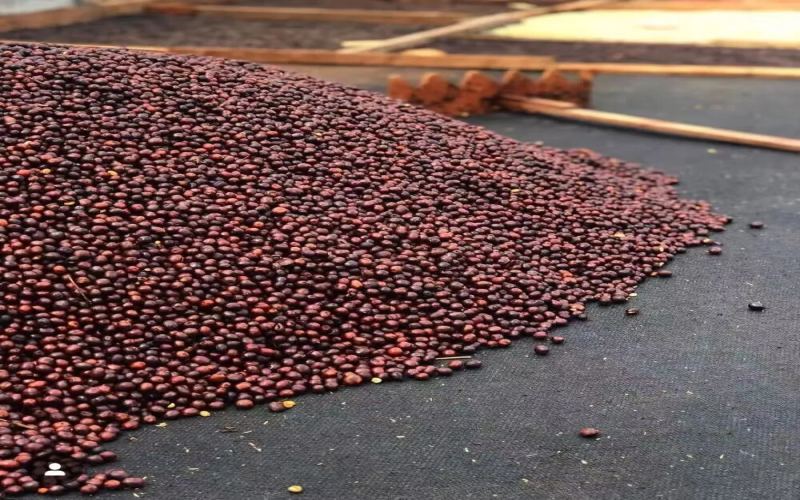
"Caturra" and "Catuai" are two varieties under the Arabica umbrella. They may not be as universally well-known as Typica, Bourbon, Geisha, and other varieties, but they are the rising stars that most coffee farmers are eager to cultivate. Whether it's a large estate like La Esmeralda or Elida, or [more…]
Analysis of Caturra and Catuai Coffee Varieties: Genetic Relationship, Cultivation Advantages, and Flavor Profile Comparison
Caturra and Catuai are two coffee varieties that appear with extremely high frequency in the coffee world, and they are not hard to find whether on large estates or in small producing regions. Nearly one-third of the products on Front Street Coffee's bean list are made up of these two varieties, which shows just how important they are. Caturra originated from a genetic mutation of Bourbon, and because of its short stature, high yield, and sun tolerance, it became a mainstay variety in Central America; Catuai, meanwhile, was developed by crossing Caturra with Mundo Novo, inheriting the former's advantages while improving disease resistance. This article will sort out in detail the origins, agronomic characteristics, and flavor differences of the two, and combine them with Front Street Coffee's cupping experience to help you understand why these two varieties have won the favor of so many coffee farmers. [more…]

Why Is Colombian Coffee Praised as Green Gold? A Full Analysis of Huila Region Flavors and Brewing
As the world's second-largest coffee producer and the largest exporter of washed Arabica beans, Colombia is renowned for its silky, balanced coffee, praised as "green gold." From the volcanic soils of the Andes to meticulous family farming, from the evolution of varieties like Caturra and Castillo to its distinctive washed processing, the allure of Colombian coffee goes far beyond this. This article will take an in-depth look at the flavor characteristics of specialty regions such as Huila, Colombia, sort out the distribution of producing regions, variety iteration, and processing details, and include Front Street Coffee's brewing suggestions along with several Colombian bean recommendations, giving you a comprehensive understanding of the charm of this South American coffee kingdom. [more…]
A Complete Guide to Colombian Specialty Coffee Regions: Harvest Seasons, Flavor Profiles, Varieties, and Processing Methods
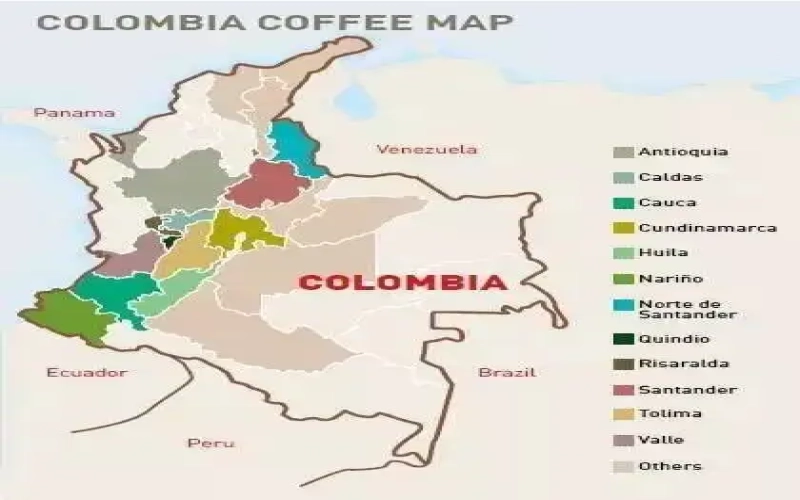
Colombia is the world's third-largest coffee exporter and the largest exporter of Arabica beans and washed beans. This article systematically reviews the core knowledge of Colombian specialty coffee: starting from the terroir conditions of the three major producing regions in the Andes Mountains, it explains in detail the differences between the northern and southern harvest seasons and the harvest time windows, introduces major varieties such as Caturra, Bourbon, and Castillo as well as the history of disease-resistant breeding, analyzes the unique characteristics of household washed processing, and examines one by one the flavor characteristics of well-known producing regions such as Santander, Huila, Cauca, and Nariño. The article also includes the producing region information and brewing flavors of several Colombian beans from Front Street Coffee, providing coffee enthusiasts with a complete framework for understanding Colombian coffee. [more…]
Why is Colombian coffee regarded as a top choice? A full analysis of origin terroir, varieties, processing, and brewing
As the world's third-largest coffee exporter, Colombia—blessed with exceptional volcanic soil and a family-farming tradition—produces a balanced, smooth, and highly acclaimed Arabica coffee. From Huila in the south to Santander in the north, and from varieties such as Caturra, Castillo, and Geisha, different regions and processing methods interweave rich layers of berry, nut, caramel, and floral notes. Front Street Coffee will guide you through an in-depth look at Colombia's coffee-growing regions, harvest seasons, variety evolution, and brewing suggestions, and recommend a selection of representative beans to help you fully grasp the unique charm of this South American coffee kingdom. [more…]
A Detailed Guide to Brazil's Bourbon Family Coffee Varieties: Flavor Characteristics of Red Bourbon and Yellow Bourbon, and Front Street Coffee's Specialty Bean Recommendations
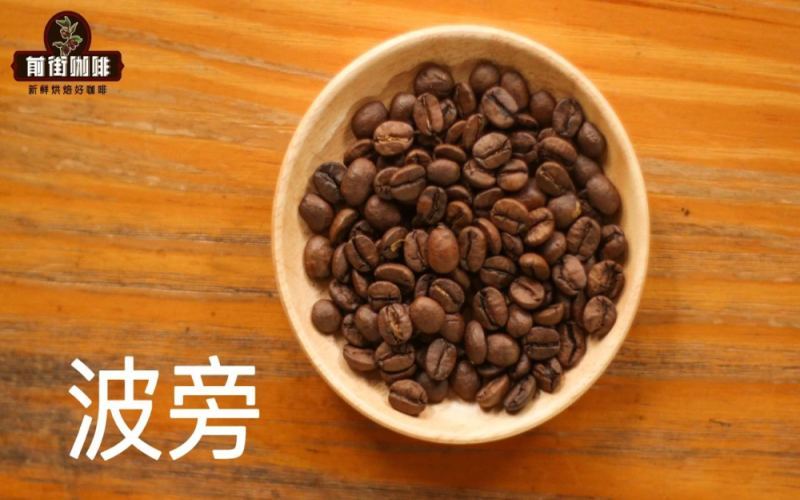
Bourbon is a classic, long-standing variety of Arabica coffee, originating from a natural mutation of Typica. After being introduced to Brazil in the 19th century, it quickly became the mainstay of cultivation in Central and South America. In Brazil, over seventy percent of Arabica coffee belongs to the Bourbon family, among which Red Bourbon, Yellow Bourbon, Caturra, and Catuai are the most common. Through cupping comparisons, Front Street Coffee has found that Red Bourbon has a smooth mouthfeel and pronounced sweetness, Yellow Bourbon has soft, bright, and refreshing acidity, Caturra is clean and sweet, and Catuai has mild acidity with rich fruity notes. Currently, Front Street offers two Brazilian specialty beans—Cerrado Red Bourbon and Queen's Farm Yellow Bourbon—both medium-dark roasted, presenting regional flavors of nuts, caramel, and low-acid, full-bodied richness. This article will systematically outline the origins, characteristics, and Front Street brewing recommendations for these varieties. [more…]
An Analysis of Colombia's Coffee Growing Regions and Harvest Seasons: A Comprehensive Introduction to Varieties, Flavors, and Processing Methods
Colombia is the world's third-largest coffee exporter and the largest exporter of Arabica beans and washed beans, hailed as "green gold." This article systematically reviews Colombia's coffee-growing regions, harvest season patterns, main varieties and processing methods, and introduces representative regions one by one, including Santander, Antioquia, Tolima, Huila, Cauca, and Nariño. Colombian coffee is known for its silky, balanced taste, with family-run operations and volcanic soil giving it a unique quality. The article also covers the functions of the FNC and CENICAFE, green bean grading standards, and competition mechanisms such as the Cup of Excellence in Cauca, making it suitable for coffee enthusiasts to gain a comprehensive understanding of Colombian coffee's terroir and the industry as a whole. [more…]
Flavor Analysis of Colombia's Four Major Specialty Coffee Regions: From Andean Volcanic Soil to Balanced Sweetness in the Cup
Colombia is the world's largest exporter of Arabica coffee and the country with the highest export volume of washed beans. Its coffee is renowned as "green gold" for its balanced, smooth taste and consistent quality. The Andes run through the entire country, and volcanic soil, high altitude, and family-run farming together shape the distinctive character of Colombian coffee. This article will break down the flavor characteristics of coffee from each region one by one, from the history of the producing areas, cultivated varieties, and processing methods to the harvest season and the four major specialty regions—Santander, Antioquia, Tolima, Huila, Cauca, and Narino—and will also include Front Street Coffee's brewing parameters and product recommendations to help you fully understand the charm of Colombian specialty coffee. [more…]
An Analysis of Brazilian Coffee Bean Variety Characteristics: Bourbon Flavor Expression and Practical Pour-Over Parameters
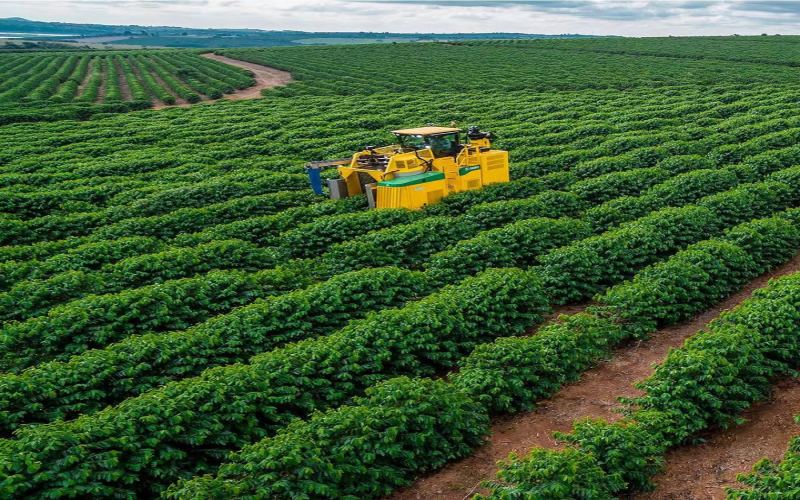
Brazil is the world's largest coffee producer and the second-largest coffee-consuming market after the United States. Its coffee cultivation is dominated by flat terrain, mostly using sun-exposed growing methods, and the flavor tends to be mild and easy-drinking, with a full-bodied sweetness, so it is often used in espresso blends. This article will systematically sort out Brazil's main producing regions, grading methods, and representative varieties, focusing on comparing the flavor differences among Bourbon family varieties such as Red Bourbon and Yellow Bourbon, and will also include Front Street Coffee's recommended pour-over parameters for the Yellow Bourbon from Brazil's Queen's Farm and the Red Bourbon from Cerrado, for the reference of coffee enthusiasts. [more…]
Exploring Panama Boquete Duncan Estate: A Full Analysis of Geisha White Honey Process Coffee Flavor and Ecological Farming
Duncan Estate in the Boquete production region of Panama is a specialty coffee estate under the Kotowa family with a history of over a hundred years. With its exceptional geographical conditions and strict ecological management, it has become a frequent winner at BOP auctions. This article provides a comprehensive introduction to Duncan Estate's production region background, growing environment, processing techniques, and award history, with a focus on analyzing the flavor characteristics of its Geisha White Honey processed coffee beans. At the same time, Front Street Coffee has also acquired the estate's Natural Caturra, presenting through medium-light roasting and cupping a layered profile of floral notes, candied fruit, and fermented fruit nuances. Whether you are a Geisha enthusiast or a Caturra fan, you can experience the unique charm of Panamanian specialty coffee. [more…]
Analysis of Brazilian Coffee Bean Varieties and Flavors: Production Region History, Cultivation Stories, and Global Production Status
Brazil is the country with the largest coffee cultivation scale and production volume in the world, supplying nearly 45% of the world's green coffee beans. This article provides a comprehensive overview of the industrial landscape of this major South American coffee country, from the distribution of coffee-producing regions in Brazil, its legendary cultivation history, and the characteristics of its main varieties to its flavor and taste profile. The article also introduces the Brazilian Cerrado Red Bourbon and Queen's Estate Yellow Bourbon selected by Front Street Coffee, along with detailed pour-over parameters and brewing flavor descriptions, making it suitable for enthusiasts who want to gain a deeper understanding of Brazilian coffee. [more…]
Brazil Coffee Region Distribution Guide | Sao Paulo and 16 Other State Origins, Variety Classification, and Pour-Over Parameters Explained
Brazil firmly holds the top spot in global coffee production, supplying nearly 45% of the world's green beans, and its domestic consumption is second only to the United States. This South American giant has 17 coffee-producing states, with just 7 of them accounting for 98% of the nation's output. From the legendary story of Officer Palheta bringing Bourbon seeds back three hundred years ago to Minas becoming the new hope for specialty coffee today, Brazil's coffee landscape has continually evolved. This article systematically outlines the distribution of Brazil's main producing regions, the characteristics of key varieties such as Red Bourbon and Yellow Bourbon, and includes Front Street Coffee's hands-on pour-over parameters and flavor notes for Brazil Cerrado, giving you a comprehensive understanding of this indispensable coffee powerhouse for espresso blends. [more…]

Tracing the Origin and Analyzing the Flavor of Pacas Coffee Beans: From the El Salvador Bourbon Variety to Honduras Sherry
Pacas is a natural Bourbon mutation originating from El Salvador, later introduced to Honduras where it became an important local cultivar. This article systematically reviews the origin and discovery history of the Pacas variety, introduces the geographical conditions, cultivation history, six major producing regions, and main varieties of Honduran coffee, and provides a detailed review of Front Street Coffee's Honduras Sherry coffee beans—a specialty coffee that blends the Pacas variety and undergoes whiskey sherry cask fermentation, covering its roasting curve and the flavor performance under three brewing methods: V60, KONO, and Japanese iced pour-over. [more…]
Introduction to Coffee Bean Processing Methods | Why Does Natural Coffee Have High Sweetness and Fermented Flavors? 5 Popular Berry-Flavored Specialty Natural Coffee Beans Recommended
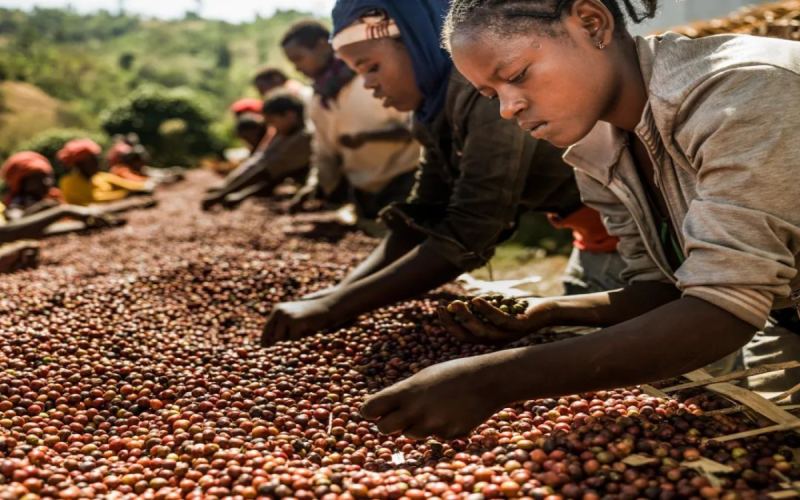
The sun-dried process, as the name suggests, uses the sun to dry the red coffee cherries under the sun for a week, sometimes adjusting the length of time depending on the situation. Once the fruit skin and pulp have been dried into a dark color, a hulling machine is used to remove the skin and pulp, and finally the defective beans are picked out and it's all done. The benefits of the sun-dried process [more…]